.png?width=1958&height=557&name=TerraBella%20Southern%20Pines-Horizontal%20(1).png)
For families exploring dementia care options, focusing on routine, safety, and dignity is essential. A supportive community environment can help individuals maintain familiarity, reduce stress, and stay connected to their identity. In communities offering memory support in Southern Pines, structured daily rhythms and personalized approaches help residents feel secure, respected, and engaged.
Southern Pines, NC, is a charming town known for its welcoming atmosphere, scenic landscapes, and a warm sense of community. Many families here seek compassionate support for loved ones experiencing memory changes.
Choosing the right care can make a meaningful difference. Understanding dementia care options helps ensure individuals receive support that aligns with their unique needs, personality, and identity.
A growing number of families in North Carolina are considering structured support environments that prioritize routine, familiarity, and compassionate engagement. Families often look for environments that balance safety with independence. They look for care that honors the individual while still providing dependable guidance.
What Are the Best Practices for Dementia Patients?
Best practices for dementia care emphasize familiarity, emotional reassurance, and consistent support. People living with memory loss benefit from predictable routines that help reduce confusion and anxiety. Daily schedules should be created around personal preferences, not forced structures.
Common best practices include:
- Maintaining consistent daily routines
- Using simple, clear communication
- Encouraging participation in meaningful activities
- Offering reassurance through tone, presence, and patience
- Providing a calm, peaceful environment
How Can Individuals With Dementia Be Supported to Maintain Their Dignity?
Supporting dignity means treating each person as an individual with a lifetime of experiences, relationships, and identity. Care teams can do this by:
- Using person-first language
- Encouraging independence where possible
- Honoring personal preferences
Consistent caregiver relationships also help residents feel safe and understood.
Personalized care plans are key. These plans take into account:
- Background and life history
- Personal routines and habits
- Communication style and emotional needs
Safety in dementia care should never overshadow dignity. The environment should feel like home. Familiar décor, memory cues, and warm engagement help create a comforting atmosphere.
Choosing Support in a Community Setting
For many families, community living provides the right balance of guidance and independence. Residents benefit from daily support while still experiencing meaningful connection and personal choice.
Communities offering memory support in NC rely on trained team members who understand how to respond to changing needs. They focus on:
- Promoting calm routines
- Facilitating social connection
- Offering activities that inspire joy and purpose
Personalized Care Plans Make a Difference
Personalized care plans adapt with residents as their needs evolve. Families are often involved in developing these plans to ensure they match personal goals and preferences.
A thoughtful care plan may include:
- Preferred meal choices and dining style
- Activity programming based on hobbies or past interests
- Medication management assistance
- Help with bathing, dressing, or grooming
The goal is to make sure daily life feels comfortable and meaningful. The most supportive dementia care focuses on enhancing quality of life, not just meeting basic needs.
Safety in Dementia Care Without Restricting Freedom
Safety does not have to mean removing independence. Instead, supportive environments create structure that naturally encourages safe choices. Clear pathways, spacious common areas, and familiar surroundings help residents move confidently.
Team members offer gentle reminders, encouragement, and guidance when needed. Social interaction also plays a role in safety by reducing feelings of isolation and confusion.
TerraBella Southern Pines: A Community-Based Approach in the Heart of Southern Pines
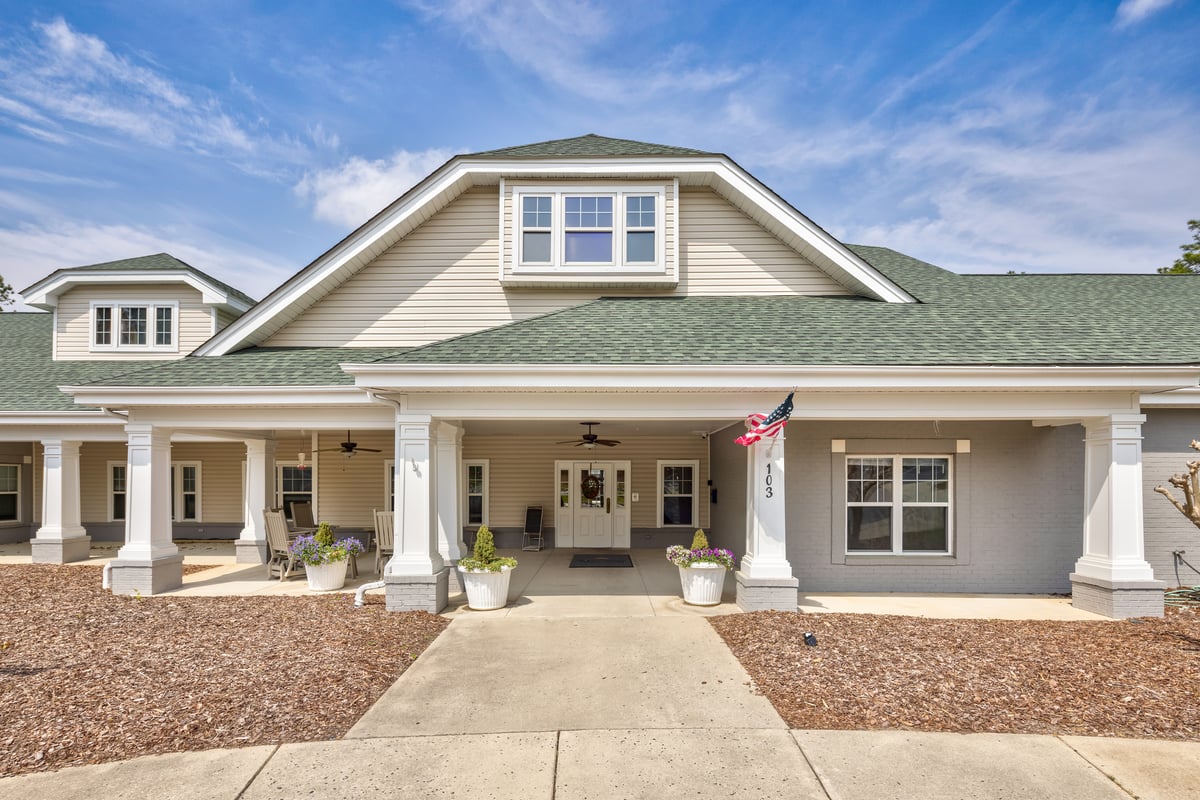
In the heart of Moore County, Terrabella Southern Pines provides both assisted living and memory care in two distinct community settings. Our approach blends support with independence, offering care designed to promote dignity.
Our memory support neighborhood, part of memory care in Southern Pines, NC, is structured around routines that help residents feel secure and confident. Team members use specialized training and compassionate communication to build trust and familiarity.
Residents enjoy:
- Engaging programs that stimulate memory and creativity
- Restaurant-style dining that encourages social connection
- Welcoming common areas and private suites
- Opportunities for movement, conversation, and purpose
This supportive environment helps residents maintain identity while receiving tailored assistance.
Assisted Living With Encouragement and Choice
Families seeking assisted living in Southern Pines, NC, may find that daily help can enhance independence rather than limit it. The goal is to support each resident at their own pace, allowing them to stay active, social, and involved.
Assisted living in Southern Pines, NC, includes help with everyday tasks while still respecting personal decision-making. Individuals have opportunities to participate in:
- Community events
- Wellness activities
- Shared dining
Frequently Asked Questions
What Are the Benefits of Moving a Loved One Into Memory Support Instead of Receiving Care at Home?
Community memory care settings offer structure, routines, and around-the-clock support that may be difficult to maintain at home. The social environment encourages interaction and reduces isolation.
Specialized caregivers understand how to navigate memory changes, which helps reduce stress for both residents and families. These environments also provide daily engagement opportunities that help maintain emotional well-being.
How Do Caregivers in Memory Support Communities Communicate With Residents Experiencing Memory Loss?
Caregivers often use short sentences, a gentle tone, and visual cues to help communication remain clear and calm. They pay attention to:
- Body language
- Emotional signals
- Personal history to respond compassionately
Familiar, patient conversation helps residents feel understood. Care teams also use repetition and reassuring phrases to reinforce comfort and trust.
What Types of Activities Help Seniors With Alzheimer's or Dementia Stay Engaged?
Activities are chosen based on each resident's interests, abilities, and past hobbies. Some programs in Alzheimer's housing may include:
- Music
- Storytelling
- Stretching exercises
- Art
The goal is enjoyment, connection, and purpose. Group programs also encourage social interaction, which can improve mood and create a sense of belonging.
Dementia Care Options at TerraBella Southern Pines: Schedule a Visit
Learning about dementia care options is the first step toward finding the right support. TerraBella Southern Pines offers a warm, welcoming environment in a community known for its scenic charm and equestrian history. Located among peaceful surroundings, our approach encourages comfort, confidence, and meaningful engagement.
Our memory care program uses an award-recognized approach that focuses on familiarity, routine, and emotional connection. Schedule a tour today to experience the community, meet the team, and see how senior living in Southern Pines can feel uplifting, secure, and dignified for your loved one.