.png?width=1958&height=557&name=TerraBella%20Southern%20Pines-Horizontal%20(1).png)
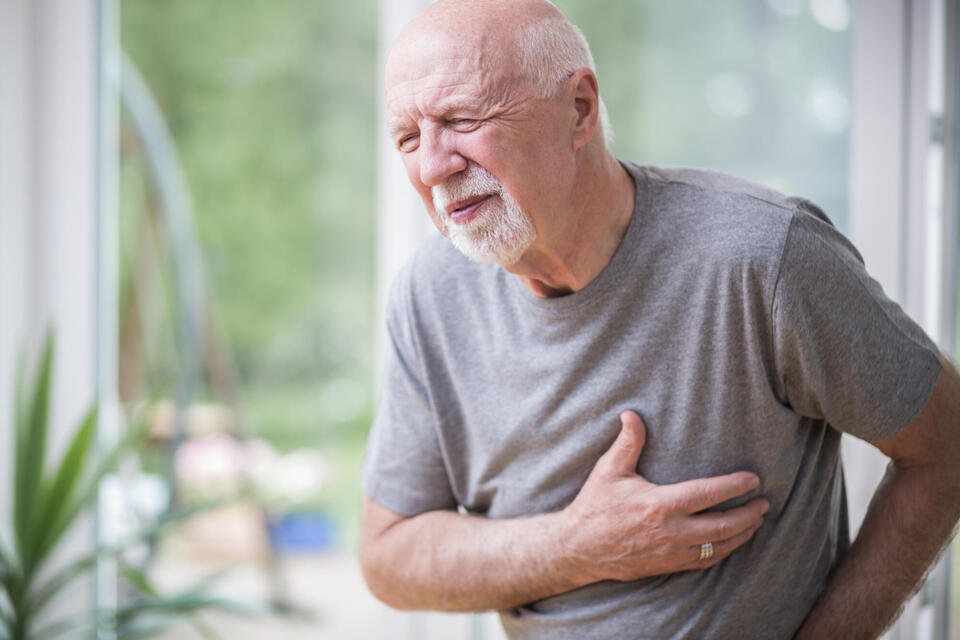
What are the 4 silent signs of a heart attack? Four silent signs of a heart attack include unexplained fatigue, shortness of breath, mild chest discomfort, and nausea. These symptoms should receive immediate medical attention.
According to SingleCare, 1.5 million heart attacks occur in the U.S. each year. Recognizing the early signs of heart trouble can help save lives by allowing prompt treatment and reducing the risk of serious complications.
Aging and prevention are important for maintaining greater cardiovascular awareness. Wellness checks for older adults can detect potential heart issues early.
Learn helpful senior heart health tips in Southern Pines, NC, below.
What Are the 4 Silent Signs of a Heart Attack?
Four silent signs of a heart attack often go unnoticed because of the absence of the typical severe chest pain. Early recognition allows timely medical care, which can prevent serious heart damage.
1. Unexplained Fatigue
Feeling unusually tired without reason can appear days or weeks before a heart attack.
Fatigue may persist after rest and can limit normal daily activities. Recognizing signs of unusual energy loss can prompt earlier evaluation.
2. Shortness of Breath
Difficulty breathing may occur during light activity or while at rest. It can be mistaken for aging or reduced fitness.
When breathing changes appear suddenly, they may signal an underlying heart problem.
3. Mild Chest Discomfort
A subtle ache or tightness in the chest can indicate heart trouble.
The chest discomfort may come and go. Even low-level pressure should not be ignored.
Greater awareness of these sensations can lead to faster intervention.
4. Nausea
Queasiness or lightheadedness may occur without other obvious symptoms. Women and older adults are more susceptible.
This symptom is often mistaken for minor stomach issues. However, it can indicate an underlying heart problem.
Recognizing "what are the 4 silent signs of a heart attack?" supports early evaluation and treatment. Acting quickly can reduce the severity of a heart attack and improve recovery outcomes.
How Do Silent Heart Attacks Differ from Typical Heart Attacks?
The Sudden Cardiac Arrest Foundation reports that there are 350,000 out-of-hospital cardiac arrests in the U.S. each year, with a nearly 90% fatality rate.
Silent heart attacks cause heart damage with mild or unnoticed symptoms. Typical heart attacks involve intense chest pain that prompts urgent care.
People may dismiss subtle warning signs and delay treatment. Silent events are often discovered later through testing.
Delayed diagnosis increases complication risk. Early recognition improves outcomes and limits long-term heart damage for affected older adults.
Can Heart Attacks Occur Without Any Warning Signs?
Heart attacks can occur without clear warning signs, especially in people with underlying conditions.
Plaque buildup may restrict blood flow gradually without noticeable changes. Sudden artery blockage can happen during rest or sleep.
Chronic inflammation increases risk without daily symptoms. Heart problems can develop slowly without noticeable signs.
Subtle changes in stamina or daily activity may signal an increased chance of a heart attack. Consistent monitoring supports earlier intervention and better long-term outcomes.
Education and preventive care reduce the severity of cardiac events that occur later in high-risk adults.
What Are the Long-Term Effects of Undetected Heart Damage?
Undetected heart damage can weaken the heart muscle over time. Reduced pumping efficiency may lead to chronic fatigue and shortness of breath.
Heart rhythm disturbances can develop without warning. Undiagnosed damage can strain other organs, including the kidneys and lungs.
Physical activity may become limited as overall endurance declines. Without intervention, the likelihood of future heart attacks rises.
Early recognition and lifestyle management can slow progression and improve long-term quality of life.
How Can Seniors Improve Cardiovascular Awareness at Home?
The American Heart Association found that nearly half of all U.S. adults have high blood pressure, known as hypertension. This is the most common and modifiable risk factor of cardiovascular disease.
Seniors can improve cardiovascular awareness by tracking daily activity and monitoring changes in energy or breathing.
Maintaining a balanced diet and limiting salt and saturated fat supports optimal heart health. Low-impact exercise supports heart strength and helps manage blood pressure.
Consistent routines strengthen awareness and protect long-term heart function.
What Tests Can Help Identify the Early Signs of Heart Trouble?
Several tests can help identify early heart problems before severe damage occurs. Electrocardiograms monitor the heart's electrical activity for irregularities.
Echocardiograms use ultrasound to assess heart structure and function. Stress tests evaluate how the heart responds to physical exertion.
Blood tests measure markers that indicate heart strain or damage. Imaging scans, such as CT or MRI, can reveal blocked arteries or weakened tissue.
Early detection through these tests allows timely treatment and reduces the chance of major heart events.
Frequently Asked Questions
What Lifestyle Changes Support Healthy Aging and Prevention?
Healthy aging and prevention are supported by quitting smoking and limiting alcohol intake. Taking prescribed medications as directed improves long-term heart stability.
Managing chronic conditions reduces cumulative strain on the heart. Following healthy regular routines encourages consistency and accountability.
Informed decision-making helps individuals respond earlier to health changes safely today.
How Can Wellness Checks for Older Adults Detect Heart Problems Early?
Wellness checks for older adults review vital signs during routine visits. Providers observe changes over time rather than isolated readings.
Patterns in blood pressure or heart rhythm may emerge. Documenting trends helps clarify whether concerns are developing.
Early insight supports faster response and better coordination of care for aging adults.
What Senior Heart Health Tips Support Healthy Aging?
Seniors can support heart health by managing stress. Practicing relaxation techniques reduces heart tension.
Staying socially engaged promotes emotional well-being, which benefits the heart. Maintaining hydration aids circulation and organ function.
Reading labels and understanding medication interactions helps prevent complications.
Scheduled check-ins with healthcare providers ensure concerns are addressed promptly.
Discover Picturesque Senior Living at TerraBella Southern Pines, NC, Today
Knowing "what are the 4 silent signs of a heart attack?" helps individuals recognize danger even without the telltale chest pain. Understanding heart health is crucial for supporting long-term well-being in seniors. Early action paired with consistent lifestyle habits prevents serious complications.
TerraBella Southern Pines, located in Southern Pines, NC, offers Senior Assisted Living and SHINE® Memory Care options. Our Exclusive Senior Lifestyle Programs promote daily social engagement and structured cognitive stimulation. We provide personalized support to enhance everyday living for our residents.
Contact TerraBella Southern Pines to schedule a community living tour with us or to request more information today.